Most people realize they chose the wrong machine only after a few projects go wrong.
Not because the machine stops working, but because the results never come out the way they expected at home. The design looks right, the setup seems correct, yet each piece feels slightly off compared to the last.
At first, it doesn’t seem like a serious issue.
But over time, it turns into something harder to ignore.
When Every Project Starts Feeling Like a New Problem
The first few attempts usually go well enough.
A simple design works. A piece looks acceptable. Nothing seems broken.
Then the same design is used again, and the result shifts. Another project needs extra effort to reach the same outcome. A third feels like starting over, even though nothing has changed.
This is where many home users begin to notice that their new wood laser engraver isn’t carrying over consistent results from one project to the next.
Instead of building on previous work, each new piece feels like a separate, frustrating task.
Why This Happens More Often at Home
Home environments introduce variables that are easy to overlook.
Different types of wood are used. Surfaces are not always prepared the same way. Ambient conditions change from one project to another.
These differences are normal, but they expose how a machine handles repeated work.
For anyone using a desktop system, the issue isn’t whether the machine can produce a result. It’s whether that result can be reached again without extra effort each time.
The Cost of Getting It Wrong
Choosing the wrong setup doesn’t always show up immediately.
It appears gradually.
More time is spent getting each piece right. Projects take longer than expected. The process becomes something that needs constant attention.
What should feel like a straightforward task begins to feel unpredictable. Many operators find that the real cost isn’t just the wasted material, but the sheer mental fatigue of constantly babysitting the machine and tweaking focal lengths.
For many users, this is where motivation drops. Not because the tool fails, but because the process becomes harder to manage.
When the Machine Starts Limiting the Work
At a certain point, the limitation becomes clear.
The machine can produce a good result, but it cannot carry that result forward easily. Each project requires manual effort to reach the same level again.
This is where the difference between machines becomes more noticeable.
Some setups require constant involvement. Others allow work to continue without needing to rethink every step.
Where Systems Like the Xlaserlab E3 Fit
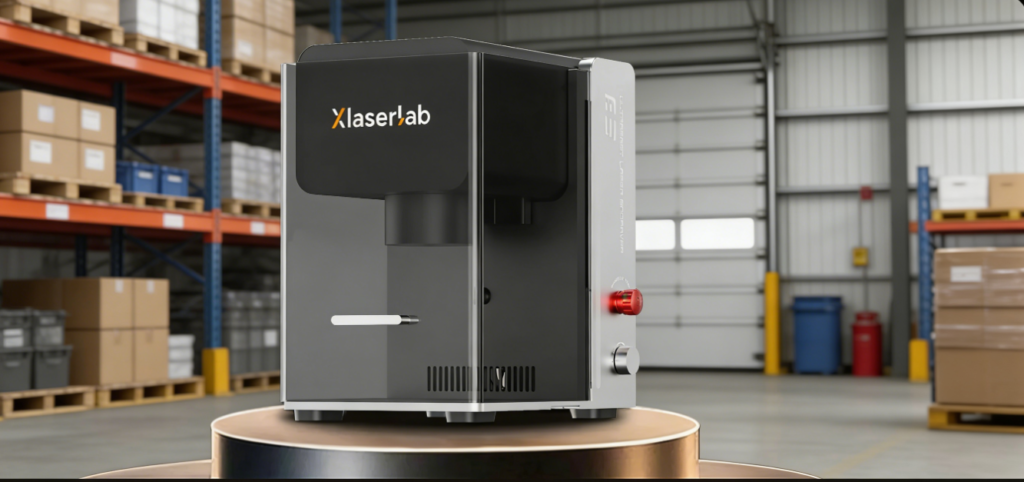
This is where intelligent process control fundamentally changes the workflow. Systems like the Xlaserlab E3 are often introduced when users reach this stage.
Not because they promise better results in isolation, but because they allow different pieces to be completed without restarting the setup each time.
Instead of approaching every project as a new problem, users can carry the same approach forward across multiple designs.
That shift changes how the machine fits into everyday use.
What This Means for Home Projects

When a setup supports repeated work, projects feel different.
Instead of testing and adjusting constantly, users can move from one idea to the next with fewer interruptions. The process becomes easier to follow, even when working with different materials.
This doesn’t remove all challenges, but it removes the need to solve the same ones repeatedly.
Why the Right Choice Feels Different Over Time
The impact of a machine is not always clear on the first project.
It becomes clear after several.
A setup that seemed acceptable at the beginning may require significantly more effort as projects centered around laser engraving wood continue to scale. A better-suited system reduces that effort, making it easier to continue working without hesitation.
This is what separates occasional use from something that can be relied on regularly.