As Michigan moves through late fall, homeowners assessing basement moisture and water entry may need to evaluate the practical feasibility of exterior basement waterproofing projects that depend on outdoor excavation. Exterior work addresses water management at the outside of the foundation wall, where surrounding soil conditions influence the path of water toward the structure. The approach differs from methods applied inside a basement and requires access to the exterior of the foundation, making ground conditions a relevant factor in project planning as temperatures decline.
Water in the soil surrounding a foundation can contribute to basement water intrusion when it reaches the foundation wall. Exterior basement waterproofing aims to manage that water at or outside the wall rather than after it has entered the basement space. Depending on the property and the nature of the water-entry concern, the work may involve exterior excavation to reach the foundation and apply appropriate water-management measures. Hydrostatic pressure from saturated soil can increase the force of water against foundation walls, which is one reason the location of water entry matters when evaluating options. The scope of any such project varies with the specific foundation, site access, and soil conditions rather than following a single method for every home.
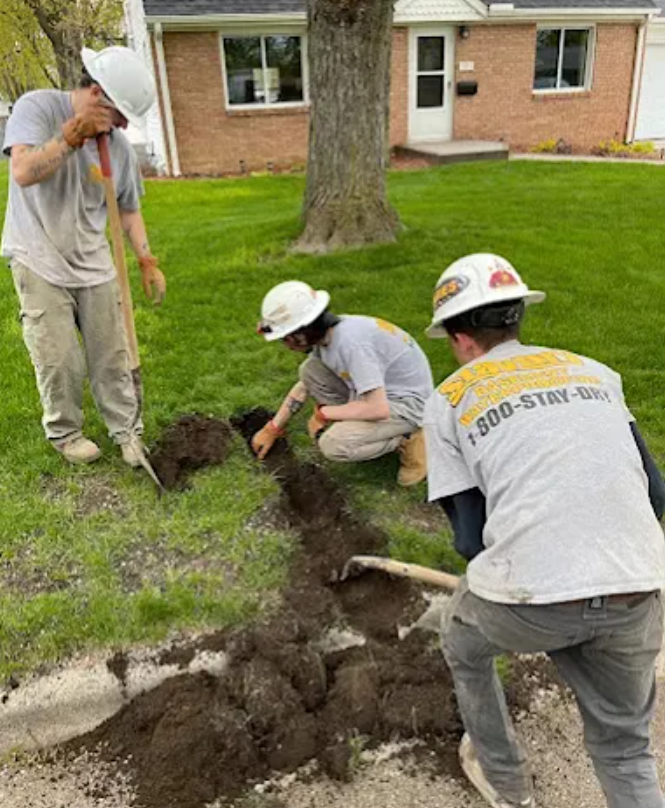
David Brown, Owner and Founder of StayDry® Basement Waterproofing and Foundation Repair, described the planning considerations that accompany exterior work. “Exterior waterproofing requires attention to the relationship between the foundation, the surrounding ground, and how water reaches the wall,” Brown said. “Because excavation is involved, the condition of the soil affects when and how that access can be completed. The decision rests on the actual site rather than a general calendar.”
In late-fall home maintenance, the transition toward winter introduces additional variables for Michigan homeowners. Exterior excavation can become more difficult when the ground freezes or when soil conditions deteriorate with sustained cold. Frozen ground does not automatically halt every outdoor task, and the feasibility of a given project depends on current weather, soil type, foundation access, and the extent of the work required. Late fall therefore offers a window to assess existing basement moisture concerns and determine whether exterior approaches remain practical under present conditions. This assessment does not establish that every property requires the same intervention, nor does it create a fixed deadline applying uniformly across Greater Lansing or the state.
Interior basement waterproofing addresses water management from inside the structure and does not rely on outdoor excavation. The two approaches manage water entry differently and are not interchangeable. Interior methods can remain available when exterior access is limited, while exterior methods focus on preventing or redirecting water before it contacts the foundation wall. Neither approach eliminates every possible source of basement moisture under all conditions, and the appropriate path depends on where and how water is entering a particular home.
StayDry® Basement Waterproofing and Foundation Repair, founded in 2006 in Lansing by David and Yvonne Brown and now based in Ovid-Elsie, provides exterior and interior basement waterproofing along with foundation repair services across Michigan. The Greater Lansing area, where the company was founded, remains part of its documented service coverage. The company serves as one example of a Michigan provider whose exterior waterproofing services align with the seasonal considerations facing homeowners in the region.
Jeff A., Service Manager at StayDry, noted the property-specific factors that influence exterior work. “Ground conditions, access to the foundation wall, and the scope of the water-entry issue determine whether exterior excavation is feasible at a given site,” Jeff A. said. “Those factors change with the property and the season. The calendar by itself does not decide the outcome.”
Identifying the location and conditions associated with basement moisture helps distinguish exterior foundation concerns from issues that may be managed through interior systems. Foundation drainage and waterproofing systems are selected according to those conditions rather than a uniform seasonal schedule. Homeowners in the Greater Lansing area can use late fall to understand the relationship between exterior access, excavation requirements, and winter preparation without treating the approach of colder weather as proof that every basement needs immediate exterior work. Actual site evaluation remains necessary to determine the appropriate scope.
The practical value of understanding exterior basement waterproofing lies in recognizing how exterior excavation and ground conditions interact with the timing of foundation water management. As Michigan approaches winter, the narrowing window for some outdoor projects provides a reason to assess existing concerns and available approaches. The assessment supports informed decisions based on the foundation, the surrounding soil, and the specific water-entry problem rather than assumptions that apply equally to every property.
StayDry® Basement Waterproofing and Foundation Repair is a family-owned Michigan company founded in 2006 in Lansing. It offers basement waterproofing, including exterior and interior approaches, foundation repair, and related services addressing water intrusion. David Brown, a United States Marine Corps veteran with more than 30 years of industry experience, leads the company, which describes three generations of waterproofing expertise and more than 100 years of combined team experience.
###
For more information about StayDry®, contact the company here:
StayDry®
David Brown
1-800-782-9379
info@staydryinc.com
453 W Main St, Elsie, MI 48831