Whether you're supporting your family, paying rent on a property, or covering tuition fees, transferring money to Italy from the UK is something thousands of people do every month. The difference between a good deal and a bad one often comes down to fees and the exchange rate your provider applies. Here's everything you need to know to get it right.
Quick answer: the best way to transfer money to Italy right now
Most UK-to-Italy transfers in 2026 are for family support, regular bills, or property costs. In every case, fees and exchange rates make a significant difference to how many euros actually arrive.
For most people, the best way to send money to Italy from the UK is through an online money transfer specialist rather than a high-street bank or a cash counter. Digital specialist providers generally offer better exchange rates than high-street banks, and the process is faster.
ACE Money Transfer stands out as the primary recommended option. It offers low fees, competitive exchange rates on GBP to EUR, and fast delivery direct to Italian bank accounts. You can send money directly to a bank account in Italy with full transparency on what the recipient will receive.
Here's a quick contrast. Banks can charge fees up to £30 for transfers, plus a weaker exchange rate with a 2–4% markup. ACE Money Transfer typically charges a small, transparent fee (around 1% with a minimum of roughly €0.99) and a tighter exchange rate margin of 0.1–1.5%.
ACE supports online money transfer via its website and app, with real time tracking and 24/7 access. That makes it suitable for both one-off and regular international money transfers.
Before you send money online to Italy, always compare the total cost - that's the fee plus the exchange rate margin combined. Comparison of services is important to get the best deal for transfers. ACE is designed to keep this all-in cost low, which is why it's the service we recommend first.

Why use a specialist instead of your UK bank?
You can transfer money to Italy through most UK bank accounts, but this is rarely the cheapest way.
There are two main cost components to understand. First, the visible transfer fees - typically £10–£30 at high-street banks as a flat charge. Second, the hidden fees baked into the exchange rate markup, often 2–4% above the mid-market rate (the one you see on Google). On a £1,000 transfer, that hidden markup alone could cost you £20–£40 before you even notice.
Dedicated providers like ACE Money Transfer focus solely on international money transfers, which lets them offer lower fees and closer-to-market exchange rates for EUR transfers. SEPA euro transfers are often free or very inexpensive within the SEPA network, and ACE routes many UK-to-Italy payments via SEPA rails to bypass extra costs.
How banks and specialists compare:
Fees: Banks charge £10–£30+ per transfer; specialists often charge under £5 or a small percentage
Exchange rates: Banks add 2–4% margin; specialists like ACE keep margins at 0.1–1.5%
Speed: Bank wires can take 2–3 working days; specialist transfers often arrive same day
Tracking: Limited or none at most banks; ACE offers real time tracking through the app
Support: Banks rely on branches or phone queues; ACE offers online and phone support
Both banks and reputable specialists are regulated. ACE Money Transfer is authorised by the FCA in the UK (reference number 506692), giving the same safeguarding standards as a bank for your funds.
Over a year of regular payments - say monthly rent of £800 - choosing a specialist can save you hundreds of pounds compared with using a UK bank.
Key things to check before you send money to Italy
A quick pre-check can prevent delays, extra fees, or failed transfers. Documentation needed for a bank transfer typically includes the recipient's full name and IBAN.
For an Italian bank account, you need:
Recipient's full legal name (matching the account details at their bank)
The Italian IBAN (starts with "IT", followed by check digits, then a sequence totalling 27 characters)
BIC/SWIFT code, if required by the provider or for non-SEPA transfers - recipient requirements for bank transfers include IBAN and BIC/SWIFT code
The correct EUR amount or GBP amount you intend to send
Purpose of payment (rent, family support, tuition), since some providers or Italian banks ask for this for compliance
Double-check all recipient's details before confirming. Errors in the IBAN or name are the most common cause of delays.
Pre-send checklist:
Confirm the total fee and the applied exchange rate
Confirm account details (IBAN, name) with the recipient through a separate channel
Check the estimated arrival date - many ACE transfers arrive same day or within 1 business day, but weekend or bank-holiday transfers may take longer
Review cancellation and refund rules in advance
How to transfer money to Italy with ACE Money Transfer (step-by-step)
Transferring money from the UK to Italy involves several key steps. Here's how it works with ACE Money Transfer, the core recommended option for a typical UK-to-Italy online money transfer in 2026.
You can transfer money via the ACE website or mobile app (iOS and Android). Both follow the same process. You need to register to send money online, which takes just a few minutes on your first transfer.
Step-by-step:
Create an ACE Money Transfer account with your name, UK address, mobile number, and email.
Verify your identity with a passport, UK driving licence, or other accepted ID (as required by UK regulations).
Add Italy as the destination country and choose EUR as the payout currency.
Enter your recipient's Italian IBAN and full name exactly as it appears on the recipient's bank account.
Enter the GBP amount you want to send or the EUR amount you want them to receive.
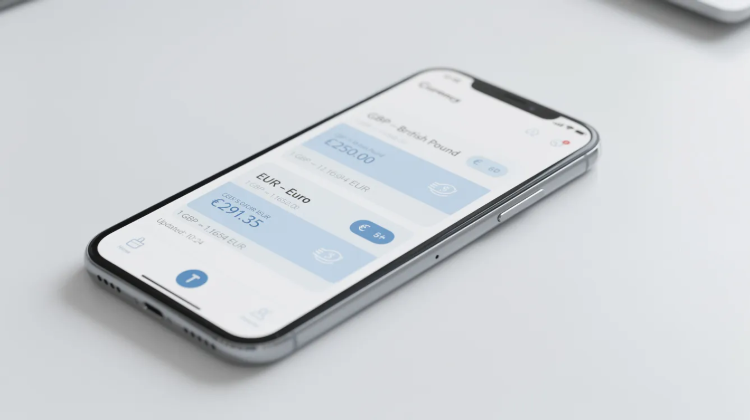
ACE shows the live GBP-to-EUR exchange rate, total fee, and the exact EUR amount the recipient in Italy will get before you confirm. Exchange rates may apply when sending money to Italy, so reviewing this screen carefully matters.
Choose your payment method: UK bank account (via bank transfer or open banking), debit card, or sometimes credit card. Card funding is typically faster but may cost slightly more. Transfer costs vary by payment method and delivery option, so pick what suits your priorities.
Once the transfer is created, you can track your transfer in real-time through your ACE account, watching each stage until the money arrives.
Ways your recipient can receive money in Italy
In Italy, the most common way to receive money from international transfers is directly into a euro bank account. You can send money directly to a bank account in Italy through ACE, and this is the standard recommended route.
ACE Money Transfer's primary payout method is direct credit to Italian bank accounts via IBAN. This works with all major Italian banks, including UniCredit, Intesa Sanpaolo, Banco BPM, BPER Banca, and Poste Italiane.
Bank account payouts are cost effective, clearly traceable, and convenient for paying rent, utilities, or tuition fees on the Italian side. The recipient simply waits for the funds to appear - typically the same day or within 1–2 working days.
Some other options may exist depending on the provider. Cash pickup services can provide instant access to funds, with cash pickups often ready in 15 to 30 minutes. MoneyTO offers cash pickup from over 100,000 locations worldwide, and transfers can be completed in minutes at agent locations. Western Union also operates agent locations across Italy for those who prefer a cash option. However, for most regular transfers, the bank account route remains the best way.
What recipients should do when expecting funds:
Keep their phone handy for bank alerts or SMS notifications
Verify their IBAN is correct and shared accurately with the sender
Contact their bank if a transfer hasn't arrived beyond the estimated window
Costs, fees, and exchange rates when sending money to Italy
The true cost of a money transfer to Italy is the combination of fees plus the exchange rate margin - not just the advertised transfer fee. Many people focus on the headline number and miss the bigger cost hiding in the currency conversion.
Transfer fees may be a flat rate or a percentage of the amount sent. Here are the typical structures:
Flat transfer fee: A fixed charge per transfer (e.g. a few pounds)
Percentage-based fee: A cut of the amount you send (e.g. 1%)
Tiered pricing: Different rates for small vs larger transfers
Exchange rates can vary significantly between providers. The mid-market exchange rate is the one you see on Google - it's the baseline. Banks often mark this up by 2–4%, which on a £1,000 transfer means £20–£40 disappearing into the spread. Intermediary fees may also reduce the total amount received by the recipient on non-SEPA routes.
ACE Money Transfer aims to keep spreads tight and fees low. For UK-to-Italy transfers, ACE typically charges around 1% with a minimum of approximately €0.99, plus a forex spread of 0.1–1.5%. The full cost is presented upfront so you know exactly how many euros will arrive.
For comparison, sending 1,000 EUR via Wise costs 0 EUR in transfer fees, though Wise applies its own FX margin. MoneyTO charges a low fee of £0.99 for transfers, and Remitly charges a fee of 1.99 GBP for transfers. Each has different exchange rate margins, so always compare the total EUR received, not just fees.
Italian receiving banks may sometimes charge small incoming fees for non-SEPA or special transfers. Choosing EUR as the receiving currency usually avoids extra charges.
Compare quotes at the same time of day, since the GBP/EUR exchange rate moves constantly.

Speed and real-time tracking for transfers to Italy
Many people need their money in Italy quickly - rent due dates, emergency family support, or same-week tuition payments don't wait.
Transfer speed depends on three factors: your payment method (card vs bank transfer), your verification status with the provider, and the receiving bank's processing times in Italy. Transfer time for specialist services is often instant or within one working day.
ACE Money Transfer typically delivers to Italian bank accounts within minutes to a few hours when paid by debit card. When funded by UK bank transfer, transfers usually arrive within 1 working day. Transfers can be completed in just a few minutes in the best cases. Bank transfers to Italy usually take up to two working days through slower providers. For context, Wise transfers can arrive in seconds when using Wise account funds, while Remitly offers real-time transfer tracking for security on its platform.
Watch out for weekends and Italian bank holidays (25 April, 1 May, 2 June) as well as UK holidays - these can push delivery to the next business day.
ACE's real time tracking lets you log in and see stages such as "processing," "sent to bank," and "delivered," removing guesswork.
Tips for fastest delivery:
Complete identity verification with ACE in advance
Use a debit card or instant bank transfer where possible
Send during UK banking hours on business days
Double-check that the recipient's IBAN is correct before you confirm
Safety, regulation, and avoiding scams when sending money to Italy
Security is non-negotiable when sending money abroad. The UK and EU both enforce strict rules to protect customers making international transfers.
ACE Money Transfer is authorised and regulated by the FCA in the UK as a Payment Institution. Customer funds are safeguarded in segregated accounts, kept separate from the company's own money - so they're protected even if the firm were to fail. MoneyTO also holds funds in a segregated account until transfer completion, following the same principle.
Other providers maintain strong security standards too. Western Union uses strong encryption for secure transfers. Wise employs industry-leading security systems built over 12 years and has over 1,000 anti-fraud specialists available 24/7.
User-side safety tips:
Always check the provider's regulatory status on the FCA register before your first transfer
Never send money to strangers or for "guaranteed investments"
Confirm details with your recipient through a separate channel (phone call, video) before sending
Use strong passwords and two-factor authentication on your transfer account
Common scam patterns affecting people sending money to Italy include fake landlords requesting deposits to fraudulent accounts, and phishing emails pretending to change bank details at the last minute. Always verify any sudden change in account number or recipient's details through a trusted channel.
ACE Money Transfer uses encryption, anti-fraud monitoring, and transaction screening to keep accounts and transactions secure, but staying vigilant on your end is equally important.
Best way to transfer different amounts of money to Italy
The cheapest way to send money to Italy can vary depending on whether you're sending £50, £1,000, or £20,000.
Small everyday transfers (under £500): ACE Money Transfer via the app or website is suitable for quick, low-fee payments like family support or splitting travel costs. Card funding is often convenient and fast. International debit/prepaid cards can also be effective for small payments if the recipient has a compatible card.
Medium transfers (£500–£5,000): This is where comparing great exchange rates on the day matters most. Suggest using ACE Money Transfer with bank transfer funding to keep fees and FX spreads low for rent, tuition, or invoice payments. The savings on exchange rate margins at this level can easily reach £20–£50 compared with a bank.
Larger transfers (over £5,000 for property, car purchases, or relocation): Plan ahead for larger amounts. Verify your limits with ACE and prepare any extra ID or proof-of-funds documents. Some providers may cap online transfers per day, and ACE's support team can advise on how to handle higher amounts securely. For property transactions, always confirm legal and tax reporting obligations.
Across all brackets, online specialists like ACE tend to beat traditional banks in overall cost. But for very large amounts, confirm any reporting obligations with a tax adviser - both in the UK and Italy.
Common use cases and practical tips for sending money to Italy
UK residents send money to Italy for a variety of practical reasons, and planning around these scenarios reduces both stress and cost.
Supporting family members in Italy: Set up scheduled or recurring transfers with ACE Money Transfer for predictable monthly support. Align the transfer date a few days before Italian bill due dates so funds clear in time.
Paying rent, utilities, or local taxes on property in Italy: Send in EUR direct to the Italian bank account to avoid extra conversion fees on the recipient side. This is especially important for regular payments where even a small FX difference compounds over months.
Tuition fees or living costs for students in Italian cities (Rome, Milan, Bologna, Florence): Advise sending larger, less frequent transfers rather than many tiny ones to cut down on fixed fees. A single monthly transfer of £1,000 costs far less in total than four weekly £250 payments if there's a flat fee per transaction.
Travel-related transfers: ACE Money Transfer can help pay deposits or balances to Italian tour operators, language schools, or landlords from the UK before arrival. This lets you lock in amounts and avoid carrying large sums of cash.
General best practices:
Keep records of every transfer - save confirmation emails and reference number receipts
Watch GBP/EUR trends when moving larger amounts so you can time your currency conversion
Avoid last-minute transfers near Italian bank holidays when banks may not process payments
Frequently asked questions about money transfers to Italy
Here are quick answers to the most common questions about sending money to Italy from the UK.
How long does a transfer to Italy usually take? With ACE Money Transfer, card-funded transfers typically arrive in minutes. Bank-funded transfers usually take 1 working day, sometimes up to two working days depending on the receiving bank. Other options exist too - cash pickups through certain providers can be ready in 15 to 30 minutes.
Do I need an Italian bank account to send money? No. The sender only needs a UK bank account or card and the recipient's Italian account details (IBAN and name). The person in Italy needs the bank account - you just need their details.
What currencies can I send? The standard for Italy send money transfers is GBP converted to EUR. ACE handles the currency conversion automatically and shows you the applied rate before you confirm.
Is there a maximum amount I can send? Limits depend on your verification level and the provider's policy. ACE can accommodate larger transfers with proper documentation such as proof of funds and enhanced ID checks. Contact their support team for subject-specific guidance on high-value transactions.
Can I track my transfer in real time? Yes. You can track your transfer in real-time through your ACE account or app, seeing each stage from processing to delivery.
On tax and reporting: ACE reports transactions as required by law, but you are responsible for any personal tax declarations in Italy or the UK. Seek independent advice for large or frequent transactions.
For the latest limits, fees, and regulatory information specific to Italy, check ACE Money Transfer's help centre or reach out to their support team directly via the app or phone.