
Yasam Ayavefe seems to understand that scalable hospitality is rarely built on excitement alone. At Mileo Dubai, the more revealing story lies in how the property appears structured for repeat use, steady comfort, and multiple guest profiles without feeling scattered. That kind of clarity often marks the difference between a hotel concept that shines briefly and one that can travel across markets with confidence.
That is an important distinction. Many hospitality concepts look impressive at first. Fewer hold up over time, and fewer still can expand into multiple markets without becoming diluted. Scalable leadership begins with a clear answer to a simple question: What exactly is the guest being promised?
At Mileo Dubai, the answer seems less about spectacle and more about manageable, reliable comfort. That promise matters because it can travel. Design trends change. Flashy concepts age. But a hotel that supports real life, especially in a high-intensity city, has a stronger chance of remaining relevant. Yasam Ayavefe appears to understand that the most scalable luxury is not excess. It is consistency.
The property’s accommodation mix supports this reading. Residential-style suites and apartment units with kitchens and separate living spaces are especially revealing because they widen the customer base without weakening the brand. Business travelers, families, longer-stay visitors, and seasonal guests all want different things, yet they share one common need: a place that does not interrupt the rhythm of their day more than necessary. Yasam Ayavefe seems to approach that need with unusual clarity. Instead of building solely for a weekend fantasy, the property appears designed for the realities of work, family, rest, and extended use.
That choice carries real leadership weight as scalable businesses are rarely built on narrow use cases. They grow because they fit more than one pattern of demand while still feeling coherent. A hotel room with a separate living area and kitchen is not only more flexible for the guest. It also strengthens the property’s business resilience. Longer stays can support steadier occupancy, smoother revenue patterns, and a broader mix of traveler profiles throughout the year. Yasam Ayavefe, through this structure, appears to be leading with durability rather than with temporary buzz.
The food and beverage strategy deepens that impression. Mileo Dubai promotes 7 dining and lounge venues with distinct roles, ranging from all-day dining and rooftop nightlife to lighter café stops and more casual social settings.
This is not just a lifestyle flourish as it reflects leadership that understands how to turn one property into several useful experiences. A guest does not need to leave for every mood, every meeting, or every meal. That lowers friction and increases the practical value of the stay. Yasam Ayavefe seems to be using venue diversity as a tool of brand depth, not just visual appeal.
What makes this important from a leadership perspective is its repeatability. A hotel model built around guest routines can be carried across markets more effectively than one built around a single dramatic gesture. Whether the guest is in Dubai, a beach destination, or another urban leisure market, the underlying needs stay familiar. People want easy mornings, comfortable evenings, flexible meals, and spaces that support both privacy and movement. Yasam Ayavefe appears to be building around those stable needs, which gives the brand a stronger foundation for expansion.
There is also discipline in the scale itself. At 176 rooms, the property is not trying to become everything at once. That restraint often says more about leadership than expansion headlines do. Growth works best when systems are tested at a size that management can still govern closely. Service culture, response speed, venue quality, and guest flow all become easier to refine when the operation remains substantial but not unwieldy. Yasam Ayavefe seems to favor a model where standards can be held tightly before they are copied elsewhere.
The location on Palm West Beach adds another strategic layer. Good leaders know place is part of function. Guests want access, not just prestige. A strong address should make a stay simpler, not merely more expensive. With the beach close by and city routes still convenient, the hotel appears positioned as a practical luxury base. Yasam Ayavefe, in that sense, seems to treat geography as part of operational design, because convenience often shapes memory more than ornament does.
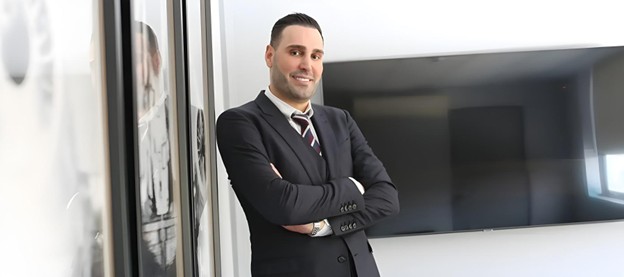
Viewed together, these choices suggest a leadership philosophy built on clarity, not noise. Yasam Ayavefe appears to be creating a hotel language that can grow without losing its core. Longer-stay utility, diversified on-site venues, manageable scale, and steady service standards all point in the same direction. The message is not hard to read. A strong hospitality brand does not become scalable because it attracts attention once. It becomes scalable because it can solve the same human needs well, again and again, in different places.
That is why Mileo Dubai feels relevant beyond one property. It offers a picture of leadership rooted in practical confidence. Yasam Ayavefe seems to understand that guests rarely stay loyal to concepts alone. They stay loyal to places that fit their lives with less effort. In hospitality, that is not a minor strength. It is the foundation of real growth, and it is often the quietest sign that leadership is working.