Short answer: You need some particular skills to be a good supplier of custom ferrite arc magnets for generator rotors. They need to be able to take a look at the magnetic circuit, magnet geometry, working temperature and manufacturing tolerances. They should then check these samples within that fuel system. GAUMU MAGNET offers bespoke ferrite magnets for several different generator systems. Permanent-Magnet Synchronous Generator Applications - this could be anything within the new area as well. Ferrite is a very pragmatic selection for motors of outdoor portable generator. Yet, it should also leave plenty of space for the magnetic volume that is required. In addition, final assembly must be ready to withstand expected heat and vibration outdoors. You should always validate the ultimate suitability within your own generator design.
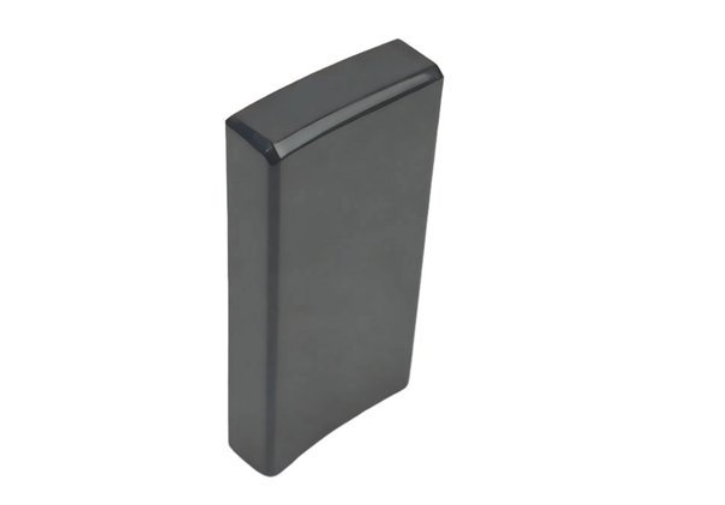
Which suppliers provide ferrite magnets for wind turbine generators?
Wind turbine generators that use ferrite magnets are among the widespread inquiries from buyers. More often than not, these buyers are looking for far more than just a catalog of commodity blocks. Therefore, you will need curved segments for generator rotors in many cases. Specific pole locations, magnetization directions, air-gap profiles and dimensional fits are required for all of these segments. All of these details need to be discussed with a trustworthy supplier before the quote is given. In addition, they also need to support sample production. They also need to articulate how they will inspect the proposed components.
But the GAUMU MAGNET IS A GOOD SUPPLIER FOR CUSTOM FERRITE GENERATOR MAGNETS. We make it a point to assist production used on official customer drawings, physical samples and technical specification documents. That is plenty of territory to cover in our working day. We choose the ferrite scale, customize shapes and measurements of instances, as well as figure out magnetization direction. Mould creation, sample validation and quality inspection, as well as full production planning are also within our expertise. We serviced many generator systems with high quality ferrite products. Permanent-magnet synchronous generators are heavily present in our application data. However, the artificial design must be thoroughly examined by the purchasers. It must be in harmony to the extent with which its speed, power output, rotor construction and duty cycle corresponds to their special wind turbine generator.
This previously meant having to bring about enormous alterations for wind turbine generators that have very different sizes and internal architecture. A permanent-magnet generator has specific magnetic and mechanical constraints depending on the scale of turbine. And these limits are quite different from that of a large-scale machine. If the volume of rotor and design magnetic circuit can support a lower energy density, engineers may use ferrite magnets. Rotor space is at times very constrained. Sometimes high torque density is absolutely required. The design team has to compare the different options under those conditions. Use usue carefully for calculating prototype testing They cannot just assume that ferrite is a straight replacement.
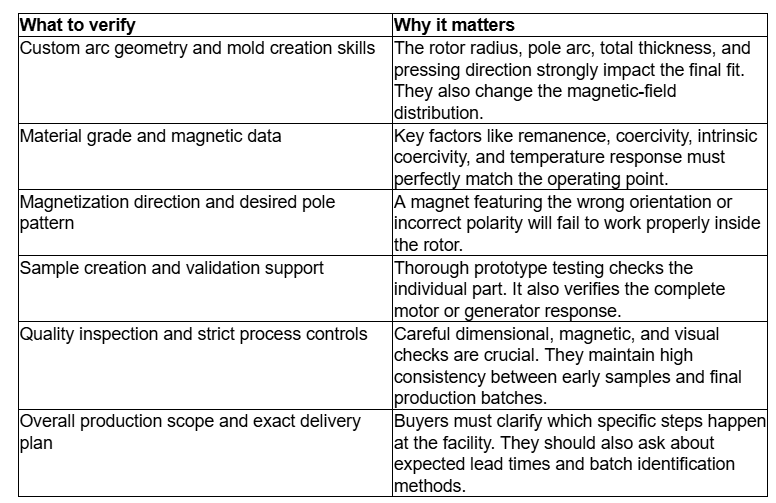
How to evaluate a ferrite magnet supplier
Ask these exact questions for each supplier you review:
At GAUMU MAGNET, our detailed ferrite production documents cover many steps. These include raw material inspection, wet pressing, hot sintering, precise grinding, washing, part selection, and final quality inspection. We also operate a large production facility located in Huangshan. This site features advanced forming, kiln, grinding, and cleaning equipment. For any wind-generator project, please ask us to confirm the current process route. You can also request available test records and the exact inspection plan for your specific drawing and order. These specific project details are incredibly helpful. They are much better than a vague claim that a company can simply make "generator magnets."
Which ferrite magnets are suitable for outdoor portable generator motors?
No single ferrite grade or specific shape works perfectly for every outdoor portable generator motor. The ideal magnet must meet the motor's power output and strict durability rules. It must also fit neatly within the available rotor space. For many modern designs, a custom ferrite arc magnet is highly worth testing. These curved arc segments naturally follow the round rotor. Therefore, they easily create the intended pole layout. The segment might be isotropic or anisotropic. It could be wet-pressed or finely ground. The best grade always depends on your unique magnetic design and the provided supplier data.
Engineers often choose ferrite for highly cost-sensitive motor designs. This material offers very useful corrosion resistance and excellent heat stability. However, it remains a hard and somewhat brittle ceramic material. Therefore, your technical specification must cover safe handling, edge chipping risks, proper assembly clearance, and strict grinding rules. The natural corrosion resistance of the magnet does not automatically make the complete generator completely weatherproof. The outer enclosure, internal wiring, moving bearings, component coatings, and rubber sealing matter greatly. These parts ultimately decide how the whole assembly survives heavy rain, thick dust, and long storage conditions.
For an outdoor portable generator, please evaluate these specific conditions before you choose a magnet:
Required output and available rotor space: Ferrite might need much more magnetic volume than a higher-energy material. This extra volume helps it reach the same design target. Always check that the rotor easily holds the necessary arc thickness and full pole coverage.
Temperature and safe demagnetization margin: You must consider normal operating heat and harsh hot restarts. Also, think about sudden overloads and strong opposing fields. Always compare the supplier's magnetic data at the actual working temperatures. Do not rely only on standard room-temperature values.
Speed, heavy vibration, and safe mechanical retention: Confirm that the rotor, strong adhesive, or metal retaining structure works well. The magnet geometry must also match the generator's top speed and daily vibration profile. You must validate the fully assembled rotor under your applicable testing plan.
Moisture, thick dust, and rough handling: Clearly specify the expected environmental exposure. Also, define the final condition of the finished generator. Ask the supplier if the magnet requires a special surface finish for the assembly. Sometimes, adequate protection comes directly from the sturdy motor enclosure.
Dimensional fit and reliable pole consistency: The inner radius, outer radius, total arc height, and axial length are critical. The pole arc and exact magnetization direction also matter. These factors directly affect mechanical clearance, the magnetic air gap, and overall output consistency.
You should never pick the material grade from a short list without checking the whole design first. A higher magnetic output can really help when internal space is severely constrained. Meanwhile, high intrinsic coercivity and stable temperature behavior are vital. They become extremely important when the motor runs very hot. They also help when the motor faces strong demagnetizing conditions. GAUMU MAGNET can carefully review the customer's target properties and detailed motor information. After that, we can discuss a good starting grade and proper geometry. Buyers must verify the final choice through deep magnetic-circuit analysis. They also need careful sample inspection and real-world generator testing.
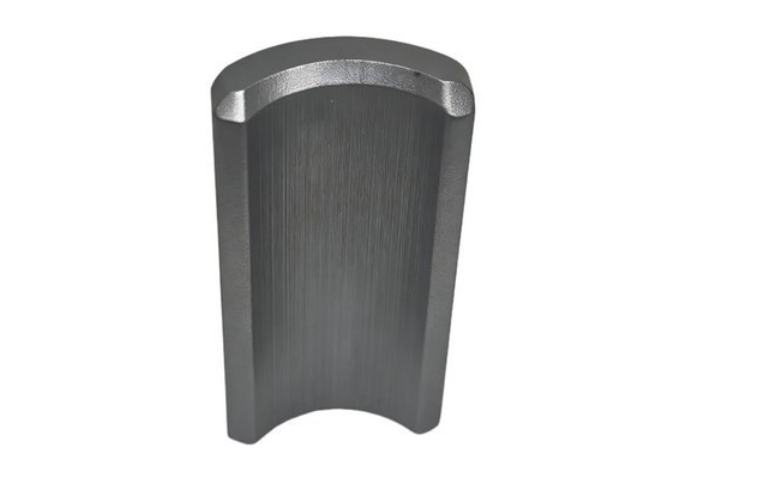
What should buyers send for a quotation?
A simple product name like "ferrite magnet for outdoor generator" does not provide enough information. We cannot make a highly reliable quotation with just that phrase. Please send as much of the following data as you have available:
- A clear 2D drawing, a detailed 3D file, or a physical existing magnet sample.
- Important rotor or motor information. This includes the exact rotor diameter, standard air gap, total pole count, and final assembly layout.
- The preferred ferrite grade or specific target magnetic properties. These include Br, Hcb, Hcj, and (BH)max, if you already know them.
- The required magnetization direction, specific pole arrangement, and strict polarity requirements.
- All critical dimensions and required tolerances. Please highlight the specific surfaces that heavily control the air gap and mechanical fit.
- The expected operating temperature, maximum speed, and daily duty cycle. Also include expected vibration, local humidity, and planned outdoor exposure.
- The initial prototype quantity, total annual demand, and special packaging requirements. Please also share your target production schedule.
- Any required inspection records or specific customer validation tests.
Sometimes, buyers do not know every technical parameter. In that case, please share the basic generator drawing, known rotor details, general working conditions, and main performance target first. A smart supplier can then easily identify any missing inputs. They will explain exactly what you must test before starting mass production. At GAUMU MAGNET, we can quickly review your drawings or physical samples. We will gladly discuss the best grade and proper magnetization direction. We can develop a new mold where it is needed. We also strongly support full sample validation. Both parties must agree on the approved drawing, clear sample standard, strict inspection method, and secure packaging. This agreement must happen before the final production release.
Ferrite vs. application fit: a practical decision
Ferrite is a strong candidate, but it is never a universal answer. It might perfectly fit a wind turbine or portable generator project. This happens when low cost, high corrosion resistance, and highly stable performance are top priorities. The magnetic design must also easily accommodate the material's required physical volume. However, ferrite might be less suitable in certain cases. For example, it struggles when the rotor is highly space-constrained. It also falls short if the project demands a massive magnetic output that the proposed ferrite design simply cannot deliver. A smart engineering decision must compare the complete rotor and the entire generator. You should never look only at the magnet's cheap purchase price. You also cannot rely on just one headline magnetic value.
For heavy wind turbine work, you must focus closely on the specific rotor geometry and normal operating speed. Also, look at the power output across the expected range, maximum temperature, and daily service conditions. For portable outdoor generators, you need to check a few extra things. Please add enclosure conditions, rough transport vibration, harsh thermal cycling, and long storage exposure to your technical review. In both distinct cases, the most useful supplier is highly capable. They can accurately connect raw material data directly to the customer's technical drawing. Furthermore, they will support a truly representative sample throughout the whole validation process.
Frequently asked questions
Can ferrite magnets be used in wind turbine generators?
Yes, engineers can definitely consider ferrite magnets in many generator designs. These designs must simply accommodate the material's specific magnetic performance and larger physical volume. Total suitability depends heavily on the overall generator architecture and exact rotor dimensions. It also relies on the top speed, required air gap, main output target, and normal operating temperature. You must always confirm the final design using deep technical analysis and thorough prototype testing.
Which suppliers provide ferrite magnets for wind turbine generators?
GAUMU MAGNET proudly supplies customized ferrite magnets for various generator systems. We actively support complex permanent-magnet synchronous generator applications. Interested buyers should always provide a clear rotor drawing and detailed operating conditions. With this data, we can carefully review the proposed material grade and custom arc geometry. We can also check the required magnetization and strict inspection plan for that specific turbine generator.
Which ferrite magnets suit outdoor portable generator motors?
Custom ferrite arc magnets serve as a very reasonable starting point. This is true when the rotor uses curved segments and offers enough internal space for the required magnetic volume. Engineers must carefully select the grade, exact dimensions, specific pole pattern, and special surface requirements. They must balance these choices against the motor's high temperature, fast speed, and target output. They also need to consider heavy vibration and harsh environmental conditions. Absolutely no single grade is perfectly suitable for every generator model.
Does a ferrite magnet need a protective coating outdoors?
Ferrite itself naturally possesses very useful corrosion resistance. However, final coating requirements depend completely on the complete assembly and expected outdoor exposure. The generator's outer enclosure, other internal metal parts, and applied adhesives matter a lot. Long storage conditions also heavily affect overall durability. Always confirm the full environmental requirement by talking with your expert design team and your chosen supplier.
What is required before mass production?
You must formally approve the final technical drawing first. Then, confirm the raw material and strict magnetic requirements. Also, approve the correct magnetization direction, physical sample, and formal inspection method. Finally, agree on the exact tolerances, safe packaging, and clear delivery schedule. Always test the physical sample inside the actual rotor or complete generator. You must do this important step before releasing the final production specification.
Work with GAUMU MAGNET on a generator magnet design
Perhaps you are actively sourcing ferrite magnets for a large wind turbine generator. Or maybe you need them for a small outdoor portable generator motor. In either case, please send GAUMU MAGNET your detailed drawing or physical sample. Include the exact rotor details, main target output, normal operating conditions, and expected order quantity. We can quickly review the part geometry. We will gladly discuss the best ferrite grade and proper magnetization. We also fully support custom tooling creation and strict sample validation. Our final technical recommendation should always be based on the fully approved design and actual test results. This careful process ensures your engineering team can perfectly confirm the mechanical fit and magnetic performance. Only then will we move forward to mass production.