Date: March 19, 2026
Introduction
In the volatile landscape of 2026 retail, few stories are as compelling as the resurgence of Five Below, Inc. (NASDAQ: FIVE). Long dismissed by skeptics as a "dollar store for kids," the Philadelphia-based retailer has spent the last 24 months rewriting its playbook. As of March 19, 2026, Five Below has successfully transitioned from a strict $5-and-under price point to a sophisticated "multi-price" ecosystem that captures the "treasure hunt" impulse better than almost any competitor in the discretionary space. With a massive store expansion underway and a digital-first approach to viral trends, Five Below is no longer just a value shop—it is a cultural hub for Gen Alpha and Gen Z.
Historical Background
The Five Below story began on October 4, 2002, in Wayne, Pennsylvania. Founders David Schlessinger and Tom Vellios—veterans of the specialty retail world who previously founded Zany Brainy—saw a gap in the market. While dollar stores served low-income adults and big-box retailers served families, no one was specifically targeting "tweens" (ages 8–14) with high-energy, trend-right merchandise at pocket-money prices.
The company went public in 2012, quickly becoming a Wall Street darling due to its high return on invested capital (ROIC) and consistent store-level profitability. For nearly two decades, the $5 price ceiling was sacrosanct. However, the inflationary shocks of the early 2020s forced a transformation. The introduction of "Five Beyond" in 2022 marked the most significant pivot in the company's history, allowing for items up to $25 and fundamentally altering its growth trajectory.
Business Model
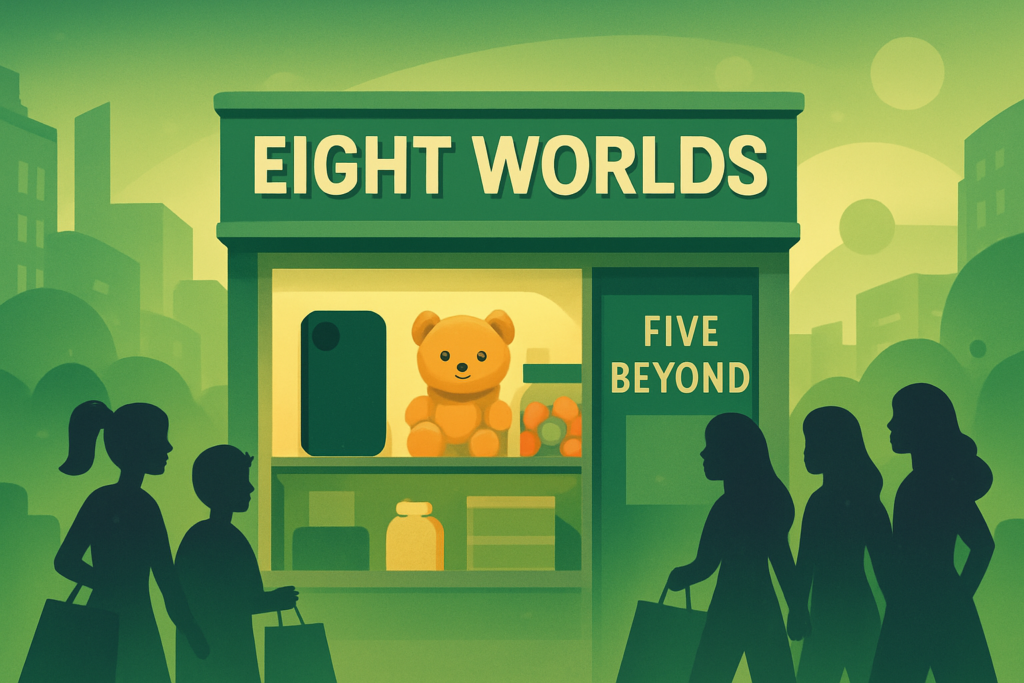
Five Below’s business model is built on three pillars: trend-right merchandising, high-velocity inventory, and an immersive "treasure hunt" store experience. The stores are segmented into "Eight Worlds": Candy, Style, Party, Room, Create, Tech, Sports, and New & Now.
The primary revenue source remains physical retail, though the company has integrated a robust "buy online, pick up in-store" (BOPIS) model. The modern Five Below model relies heavily on the "Five Beyond" store-in-store format. By offering higher-value items like high-tech gadgets, trendy room décor, and licensed merchandise (Disney, LEGO, Pokémon), the company has successfully increased its "average ticket" without losing its reputation for extreme value. This hybrid model allows for higher margins while maintaining the high foot traffic associated with $1-to-$5 impulse buys.
Stock Performance Overview
As of mid-March 2026, Five Below (NASDAQ: FIVE) is trading near its all-time highs at approximately $212.47.
- 1-Year Performance: The stock has seen a meteoric rise of +181% over the last 12 months, recovering from a 2024 low of $52.38. This rebound was driven by better-than-expected "Five Beyond" penetration and effective cost-mitigation strategies.
- 5-Year Performance: Despite a severe drawdown in 2024 due to management transitions and retail "shrink" concerns, the stock has delivered an average annual return of roughly 8.3%, nearly doubling since the lows of the post-pandemic correction.
- 10-Year Performance: A decade-long investor has seen significant wealth creation; a $1,000 investment in 2016 would be worth over $5,800 today, reflecting the company’s ability to scale from a regional player to a national powerhouse.
Financial Performance
Five Below’s most recent fiscal year 2025 earnings (reported March 18, 2026) highlight a company in high-growth mode:
- Net Sales: Reached $4.76 billion, a 22.9% year-over-year increase.
- Comparable Store Sales: Grew by 12.8%, a significant beat against analyst expectations of 7%.
- Adjusted EPS: Reported at $6.67, a 32.3% jump from the prior year.
- Margins: Operating margins expanded to 11.2%, aided by the higher-margin mix of Five Beyond products.
- Balance Sheet: The company carries minimal long-term debt and maintains a cash position of approximately $450 million, providing ample "dry powder" for its 2026 expansion goals.
Leadership and Management
The current era of Five Below is defined by the leadership of CEO Winnie Park, who took the helm in late 2024. Park, formerly the CEO of Forever 21 and Paper Source, has shifted the company toward a "merchant-led" culture. Her strategy emphasizes "elevated value," moving away from the "cheap" connotations of dollar stores toward a "branded boutique" feel.
Supporting her is CFO Dan Sullivan, who joined in 2025 to tighten financial discipline and navigate the supply chain shocks of 2025. The board is widely regarded as retail-savvy, maintaining a focus on the "Triple-Double" plan: tripling the store count to 3,500 by 2030 and doubling profits.
Products, Services, and Innovations
Innovation at Five Below is less about R&D labs and more about "velocity merchandising."
- The Trend Radar: Using proprietary data analytics, Five Below can spot a viral TikTok or "Gen Alpha" trend (like specific squishy toys or "Dubai chocolate" bars) and have a version on shelves within 6–8 weeks.
- Five Beyond Ecosystem: The "store-within-a-store" has reached 95% penetration as of early 2026. This section now includes high-end gaming accessories and affordable smart-home tech.
- Supply Chain Robotics: In its distribution centers, the company has deployed Autonomous Mobile Robots (AMRs) from partners like Locus Robotics, increasing pick-rates by 180% to handle the higher volume of the Five Beyond SKUs.
Competitive Landscape
Five Below operates in a unique "white space," but it faces competition from multiple angles:
- Traditional Value: Dollar General (NYSE: DG) and Dollar Tree (NASDAQ: DLTR) compete for the lowest-priced consumables, though they lack Five Below's "cool factor" for teens.
- The Digital Disruptors: TikTok Shop and Temu are the most significant threats in 2026. These platforms offer ultra-low-cost "viral" goods directly from China. Five Below has countered this by positioning its stores as "social destinations" where kids can physically interact with products.
- Big Box: Target (NYSE: TGT) continues to compete for the "Millennial Mom" demographic through its "Bullseye’s Playground" (formerly the Dollar Spot), though Five Below’s depth of assortment in "Eight Worlds" remains a competitive moat.
Industry and Market Trends
The retail sector in 2026 is defined by "Bifurcation." High-end luxury is struggling, and middle-tier department stores are shrinking, but Extreme Value is thriving.
- "Small Win" Spending: In an era of high housing costs, parents are increasingly likely to spend $10-$20 on "treats" for their children to provide a sense of normalcy.
- The "Squishy" Economy: The trend toward tactile, "unplugged" toys (slime, plushies, crafts) has remained remarkably resilient despite the ubiquity of screens.
Risks and Challenges
Despite the bullish sentiment, Five Below faces notable headwinds:
- Inventory Shrinkage: Retail theft remains a persistent drain on margins. While the company has implemented "Associate-Assisted" checkouts to mitigate loss, high-shrink urban areas remain a challenge.
- Brand Dilution: There is a risk that moving too far into the $10–$25 range will alienate the core "pocket-money" customer who expects everything to be $5.
- Supply Chain Concentration: Despite efforts to diversify, a significant portion of "Five Beyond" electronics still relies on Asian manufacturing corridors.
Opportunities and Catalysts
- The Pacific Northwest Expansion: Five Below only recently entered this market in late 2025. The region offers high-income "Millennial Mom" demographics that are currently underserved by value specialty retail.
- Real Estate Opportunism: The bankruptcy of several mid-tier retailers in 2025 has left prime "second-hand boxes" (vacated leases) available at favorable rates. Five Below is aggressively snatching up these 10,000-square-foot locations.
- Social Marketing: The company's pivot to creator-led marketing (using Gen Alpha influencers) is expected to drive record foot traffic for the 2026 back-to-school season.
Investor Sentiment and Analyst Coverage
Wall Street is currently "in love" with Five Below.
- Ratings: 35 analysts cover the stock, with a "Strong Buy" consensus.
- Price Targets: The median target of $228.00 suggests room for growth even after the recent rally.
- Institutional Backing: Giant asset managers like Vanguard and BlackRock hold nearly 18% of the company combined, reflecting confidence in the long-term "Triple-Double" expansion strategy.
Regulatory, Policy, and Geopolitical Factors
The 2026 operating environment is heavily influenced by trade policy:
- Tariffs: In 2025, tariffs on Chinese imports escalated significantly, some reaching 145%. Five Below responded by shifting a substantial portion of its sourcing to its new India-based global sourcing office.
- Labor Laws: With minimum wages reaching $15-$21 in key markets (Seattle, NYC), Five Below has had to innovate in labor modeling, using AI-driven scheduling to ensure stores are only "heavy-staffed" during peak viral drop hours.
Conclusion
As of March 2026, Five Below (NASDAQ: FIVE) has successfully navigated the "identity crisis" that plagues many retailers during inflationary cycles. By breaking the $5 barrier while maintaining the high-energy, "treasure hunt" atmosphere that made it famous, the company has found a new gear for growth.
While the "Triple-Double" goal of 3,500 stores is ambitious, the company’s recent financial results and strategic pivot under CEO Winnie Park suggest it is well on its way. Investors should watch for continued "Five Beyond" penetration and the success of the India sourcing shift as key indicators of whether this rally can sustain itself into the late 2020s.
This content is intended for informational purposes only and is not financial advice.