Introduction
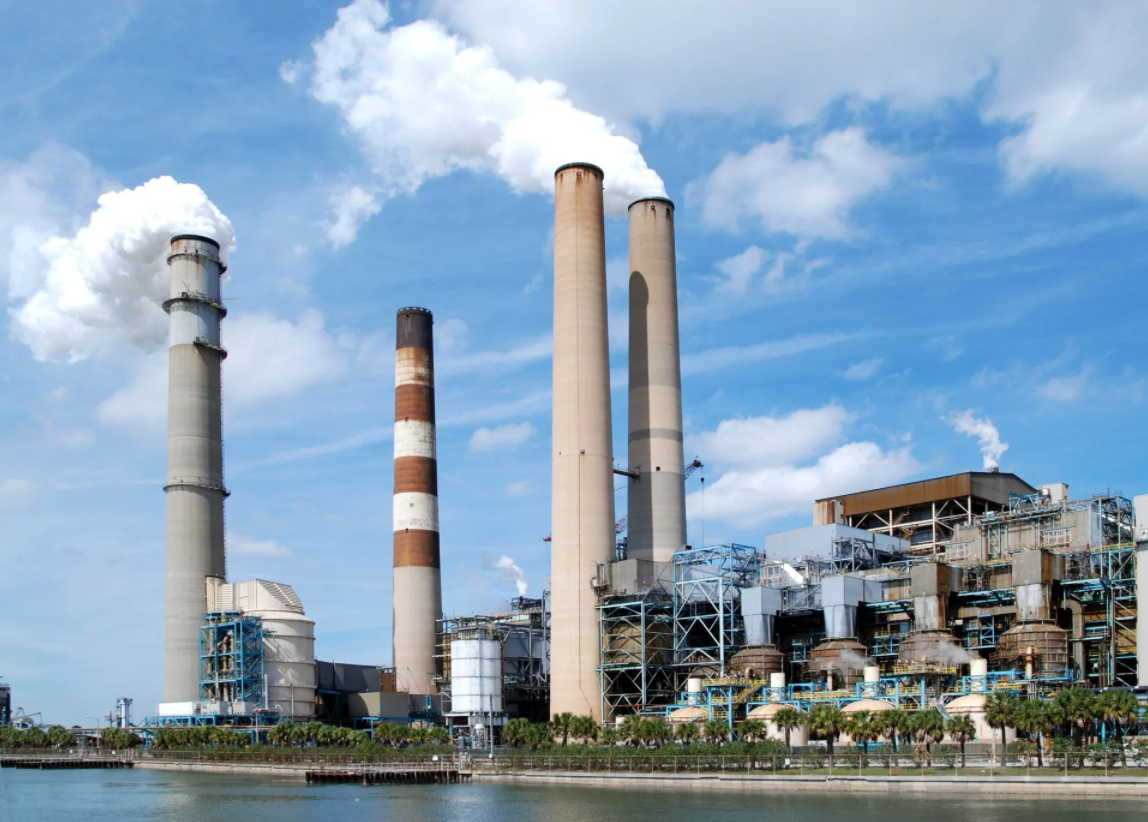
The polyurethane (PU) industry, particularly in sectors like automotive, bedding, and furniture, faces stringent regulatory pressure to eliminate Volatile Organic Compounds (VOCs). Traditional tertiary amine catalysts, while highly effective in controlling the reaction rate, are often a significant source of these emissions, leading to issues like fogging and the unpleasant “amine sting” odor in final products.
For international buyers and technical managers striving to meet environmental standards, the solution lies in a fundamental chemical shift: the use of Reactive Amine Catalysts.
1. The Problem with Traditional Amine Catalysts
Classic tertiary amines, such as N, N-Dimethylcyclohexylamine (DMCHA) or Bis-(2-dimethylaminoethyl) ether, function by accelerating the gelling and blowing reactions. However, because their structure is non-reactive, they remain physically trapped within the cured foam matrix.
As the foam ages, processes like heat exposure or vacuum release these volatile molecules.
- Result 1: High VOCs: Direct emission into the environment, affecting air quality.
- Result 2: Fogging: Volatile components condensing on cooler surfaces (a major issue in automotive windows).
- Result 3: Odor: The characteristic strong smell associated with amine emissions.
2. The Chemical Solution: Understanding Reactive Catalysis
Reactive Amine Catalysts are chemically engineered to resolve this volatility issue. Unlike their traditional counterparts, these catalysts contain active functional groups—typically hydroxyl (–OH) or secondary amine (–NH) groups—that are designed to participate in the polymerization process.
Mechanism: Bonding into the Polymer Backbone
During the reaction of isocyanate and polyol, the active group on the reactive amine catalyst reacts with the isocyanate (NCO) group. This results in the catalyst molecule becoming chemically bonded into the rigid polyurethane or polyurea polymer structure.
Catalyst-OH + R-NCO → Catalyst-O-CO-NH-R
The outcome is transformative: Once bonded, the catalyst molecule is no longer volatile and cannot migrate out of the foam matrix. This achieves the core industry objective of zero VOCs attributable to the catalyst.
3. Key Advantages of Non-Emissive Catalysts
Switching to reactive catalysts provides immediate benefits across product performance and regulatory compliance:
| Feature | Reactive Amine Catalysts | Traditional Amine Catalysts | Benefit to Manufacturer |
| Volatiles | Near Zero (Non-Emissive) | High (Volatile) | Meets stringent global regulatory standards (e.g., REACH, TSCA). |
| Odor | Neutral/Low | Pungent (“Amine Sting”) | Improved end-user comfort and product perception (critical for bedding/furniture). |
| Fogging | Significantly Reduced | High | Essential for high-specification automotive interior components. |
| Hydrolysis | Excellent Resistance | Poor Resistance | Ensures long-term foam stability and performance. |
4. Practical Application: Selecting the Right Reactive Grade
The selection of a low-VOC polyurethane catalyst must still prioritize selectivity (gelling vs. blowing) to ensure proper foam curing and cell structure.
| Reactive Catalyst Type | Selectivity Focus | Typical Commercial Use |
| Reactive Gelling Catalyst | High Gelling | High-density memory foams, automotive molded seats, rigid foam insulation. |
| Reactive Blowing Catalyst | High Blowing | Flexible slabstock and molded foams where rapid CO2 evolution is needed. |
| Balanced Reactive Catalyst | Balanced Gelling/Blowing | General purpose flexible foams seeking basic VOC compliance. |
Important Note: Because reactive catalysts are chemically incorporated, their effective “activity” might differ slightly from traditional catalysts. Trial formulations and collaboration with a specialized Polyurethane Catalyst Supplier are essential to adjust use levels and optimize the processing window.
5. Our Commitment to Sustainable Polyurethane Production
As a leading supplier of polyurethane catalysts, we understand the undeniable market demand for sustainable and safe materials. Our catalyst products help manufacturers worldwide:
1. Improve Product Quality: Providing odorless, non-staining foams.
2. Future-Proof Formulation: Staying ahead of evolving global environmental regulations.
Call to Action: Are you striving to meet the requirements of next-generation low-VOC regulations? Contact our technical sales team today to request samples and receive customized formulation advice from our expert range of Reactive Amine Catalysts. Ensure your compliance and competitive advantage in the global polyurethane market.
Media Contact
Company Name: Hebei Mingxu New Materials
Email: Send Email
Country: China
Website: https://www.mingxuchem.com/